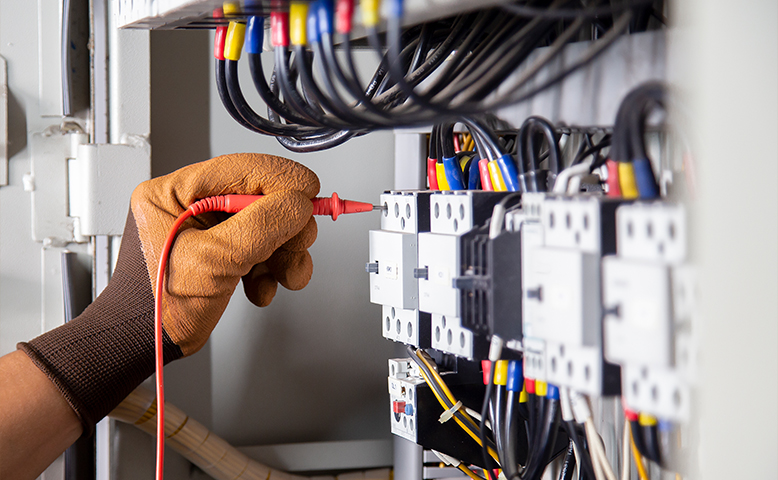
Most people call an electrician after something goes wrong: a breaker keeps tripping, an outlet stops working, or the lights flicker at dinner time. An inspection is the calmer way to handle it. It’s a walk-through of the system that feeds power through your home, looking for trouble spots before they bite you. Some hazards are obvious, but many sit behind plates, inside boxes, or in the panel where you don’t look every day. KA Talarico Electric LLC offers electric services for inspections, repairs, and safe upgrades in local homes. If your house is older, you’ve added new appliances, or you’re just not sure what shape things are in, an inspection gives you clear answers and a plan.
Loose Wire Connections That Heat Up Slowly
One of the most common problems we find is simple: a connection that isn’t tight anymore. That can happen at outlets, switches, light fixtures, and even inside the main panel. Power likes a firm path. When a wire is loose, electricity can “jump” across a tiny gap. That jump creates heat at the contact point, and heat is what damages insulation and plastic parts over time.
What homeowners often notice:
- Lights that flicker when you touch a switch
- A faint burnt smell near an outlet
- A warm cover plate (it should feel normal, not warm)
What we check during an inspection: we remove a few key plates, look for darkened screws, melted edges, and brittle wire ends. If we see heat damage, it’s not just a quick tighten-and-go. The device may need replacement, and the wire ends might need to be cleaned up before reconnecting.
Circuits Overloaded By Everyday Household Habits
Overloads don’t always look dramatic. In many homes, they build from normal life: a space heater in winter, an air fryer on the counter, a home office with screens and chargers, and a garage freezer running all day. The issue isn’t that any one device is “bad.” It’s that too many high-draw items share one circuit that wasn’t meant for that load.
A quick, useful rule: if a breaker trips often, something is asking for more than the circuit can give—or there’s a wiring problem that needs attention.
Here’s a simple table of common circuit sizes and where we usually see them (actual setups vary by home):
| Common breaker size | Often paired with | Often found feeding |
| 15 amps | 14-gauge copper | lights, bedrooms, living areas |
| 20 amps | 12-gauge copper | kitchens, bathrooms, laundry areas |
| 30 amps | larger cable | electric dryers |
Small red flags: power strips doing too much, extension cords used daily, or plugs that feel hot. The safer fix is rebalancing loads or adding circuits where needed.
Missing GFCI Protection In Wet Area Outlets
Bathrooms, kitchens, laundry spaces, garages, basements, and outdoor outlets deserve extra protection because water and electricity don’t mix. That’s where GFCI protection comes in. A GFCI outlet or breaker is designed to shut off quickly if current starts going somewhere it shouldn’t, like through water or a person.
In inspections, we still find plenty of homes with older outlets near sinks or in garages that have no GFCI protection. Sometimes the outlet was “updated” to a newer-looking style, but the safety part never happened. We also see outdoor outlets with cracked covers that let moisture creep in.
Quick signs to watch:
- Outlets close to water that don’t have test/reset buttons
- Outdoor plates that are broken or loose
- Rust marks on screws or inside the cover
During the inspection, we test GFCIs to make sure they actually trip and reset correctly. If an outlet looks protected but won’t test right, it’s not doing its job.
Ungrounded Outlets And Risky “Fixes” In Walls
Grounding is one of those topics that sounds technical, but the idea is plain: it gives stray electricity a safer path when something goes wrong. Many older homes have two-prong outlets or wiring methods where a ground wire wasn’t run. That isn’t automatically dangerous by itself, but problems start when someone installs a three-prong outlet without a real ground behind it. It looks modern, but it can mislead homeowners into thinking the outlet is fully updated.
What we see during inspections:
- Three-prong outlets on wiring that has no ground
- Metal electrical boxes with no grounding path
- Odd “shortcuts,” like grounds tied to places they shouldn’t be
What we explain in simple terms: the right fix depends on how the home is wired and what access is available. Sometimes it’s a GFCI solution. Sometimes it’s running new cable. The goal is to make sure the outlet matches the wiring and the safety level is honest, not just cosmetic.
Old Panels And Breakers Showing Warning Signs
The electrical panel is the traffic controller for the whole house. If it’s in rough shape, small problems can spread. During inspections, we look for overheating signs, moisture damage, and wiring that’s been forced in where it doesn’t belong. A common issue is double-tapped breakers (two wires under one screw) when that breaker isn’t listed for it. That can loosen over time and create heat.
What we check inside the panel:
- Rust, water stains, or dampness
- Dark marks near breakers or bus bars
- Breaker size matched to the wire size on the circuit
- Loose cable clamps and messy routing
Homeowners sometimes ask, “If the breaker hasn’t tripped, is it fine?” Not always. A breaker can be the wrong size, the connection can be weak, or heat can be building slowly. An inspection helps catch that before damage gets expensive.
Open Splices And Hidden Junction Box Problems
Splices are normal in wiring, but they have to be done the right way: inside a junction box, with proper connectors, and with a cover that stays reachable. One hazard we often find is a splice buried in insulation, hanging in an attic without a box, or tucked behind a wall where no one can service it later. If that splice loosens, it can arc, heat up, and fail.
Common problems we flag:
- Wire connections outside a box
- Junction boxes with missing covers
- Cables entering a box without a clamp
- Boxes packed too tightly, bending wires hard
Why it matters: a box isn’t just “a container.” It protects the connection from being pulled, bumped, or exposed to dust. During an inspection, we trace visible wiring runs where we can, check attic and basement areas, and note any spots that need to be corrected so the wiring stays secure and serviceable.
Aging Wiring And Mixed Repairs From Past Owners
Older wiring isn’t always unsafe, but age changes materials. We sometimes find cloth-covered wire that cracks when moved, brittle insulation near light fixtures, or older sections that were tied into newer wiring without a clean plan. In some homes, aluminum branch wiring is present on outlet circuits and needs special attention with the right connectors and devices.
What homeowners might notice:
- The lights dim when an appliance starts
- Outlets that feel loose and won’t hold a plug well
- A switch that crackles or feels hot
What we do during the inspection: we identify wiring types where visible, check device connections, and look for signs of overheating. We also point out “mixed work” where past repairs don’t match common safety practices. The goal isn’t to scare anyone—it’s to give you a clear list of what should be fixed now, what can be planned, and what’s actually fine.
Closing Thoughts And A Simple Next Step
The primary goal of residential electrical inspections is to identify issues that go unnoticed, such as loose connections, overloaded circuits, ungrounded outlets, panel warning signals, open splices, and worn-out, older wiring. If your home is older, you’ve remodeled, or you’ve observed flickers, warm outlets, buzzing switches, or frequent trips, it’s worth taking a closer look. To arrange an electrical examination and obtain understandable repair choices, give KA Talarico Electric LLC a call right now. A brief visit today can prevent a large list of repairs later.