Most electrical problems don’t start with a loud bang. They begin with small things that appear simple to ignore, like a light that flickers now and again, an outlet that seems a little loose, or a breaker that “only sometimes” trips. The system maintains working even when parts are wearing out in a lot of households and small stores. That’s what makes it hard. The problem can show up late at night, when the weather is terrible, or when you need power the most. Regular electrical maintenance is just a fast check-up that finds wear and tear early on, when it’s still easy to fix. It also helps your wiring and equipment perform the way they should.
The Quiet Problems Hiding Behind “Working Fine”
Electrical systems can look fine on the outside, but problems can be building up where you can’t see them. Over time, a connection inside a switch box can become loose. Even if the faceplate looks fine, the outlet can wear out on the interior. After years of use, breakers may not work the same way they did when they were new. People put off checks since none of this always leads to immediate failure. But little problems often make things hotter, and heat is what makes harm happen faster. If you find it early, the repair is usually just a few tiny parts and some work. If you delay, you could end up with a broken circuit, damaged wires, or a device that overheats and stops working at the worst possible time.
Watch for everyday warning signs:
- Flickering lights when appliances kick on
- Outlets that don’t hold plugs tightly
- A switch that crackles or feels warm
- Breakers that trip more than once
Loose connections: the sneaky source of heat
A loose connection is one of the most common causes of surprise electrical trouble. When metal parts aren’t tight, electricity has a harder time passing through. That resistance creates heat, even if you don’t see smoke or sparks. Over time, heat can darken wire insulation, warp plastic parts, and weaken the connection even more. In some cases, the electricity can “jump” slightly across a gap, which can leave burn marks inside the box. This can happen at outlets, switches, junction boxes, and even inside the main panel.
During maintenance, an electrician checks for signs like discoloration, melted plastic, and loose terminals. They may also look for connections that were never secured correctly in the first place. Fixing a loose point early usually means tightening or replacing a device. Waiting can turn it into a bigger repair if the wire ends get damaged and need to be cut back and re-terminated.
Overloaded Circuits And Why Breakers Keep Tripping Today
An overloaded circuit doesn’t always look dramatic. Often, it shows up as “annoying” stuff: the breaker trips when the microwave and toaster run together, or the lights dip when a vacuum starts. Many houses and older storefronts were wired before modern power habits were normal—space heaters, air fryers, home office setups, extra freezers, and tool chargers can push a circuit harder than people realize. When a circuit runs near its limit again and again, wires and outlets can run warmer than they should.
Maintenance helps because the electrician can figure out what’s on each circuit and spot trouble patterns. Sometimes the fix is simple, like moving a high-draw item to a different circuit. Other times, it’s safer to add a dedicated circuit for one heavy-use appliance.
Common overload hints:
- Power strips and extension cords are used every day
- Breakers tripping during normal routines
- Dimming lights when a motor starts
- Warm outlets in busy areas like kitchens
Damp And Dusty Areas Wear Parts Faster Quickly
Moisture, dust, and trapped heat can age electrical parts faster than you’d expect. Damp air can lead to corrosion on metal terminals, which weakens connections and can cause devices to act flaky. Dust can pack into boxes and around equipment, holding heat where it shouldn’t. Garages, basements, crawl spaces, laundry areas, and outdoor outlets are typical problem spots. Even a missing cover plate can let humid air and dust move into a box for months.
A maintenance visit often focuses on these “rough” areas because they see more wear. The electrician may check outdoor covers, confirm GFCI outlets work, and look for rust or water marks near wiring. They can also spot simple fixes that reduce risk, like replacing cracked covers or sealing a box that’s exposed to weather.
Easy homeowner checks (no tools needed):
- Replace broken outlet covers
- Keep storage items away from the electrical panel
- Fix leaks before they reach wiring or boxes
Safety Devices That Need Real-World Testing Sometimes
Safety devices are meant to trip when something goes wrong, but they still need checking. GFCI outlets help reduce shock risk by shutting off power when they sense current going the wrong way. AFCI protection is designed to react to certain arc-fault conditions in many living spaces. Surge protection can help reduce damage to electronics when power spikes happen. The problem is that a device can fail quietly. It may still “look” fine and even provide power, but not trip when it should.
That’s why testing matters. Pressing the test and reset buttons on GFCIs is a good habit, but a full maintenance visit can confirm proper wiring, placement, and grounding so protection works as intended. The electrician may also check bonding and grounding connections, since those support safe breaker operation during faults.
Good reasons to get protection checked:
- Older home with mixed outlet types
- Outdoor and kitchen outlets are often used
- Recent power surges or frequent storms
- New appliances or sensitive electronics added
What A Maintenance Visit Should Actually Include Inside
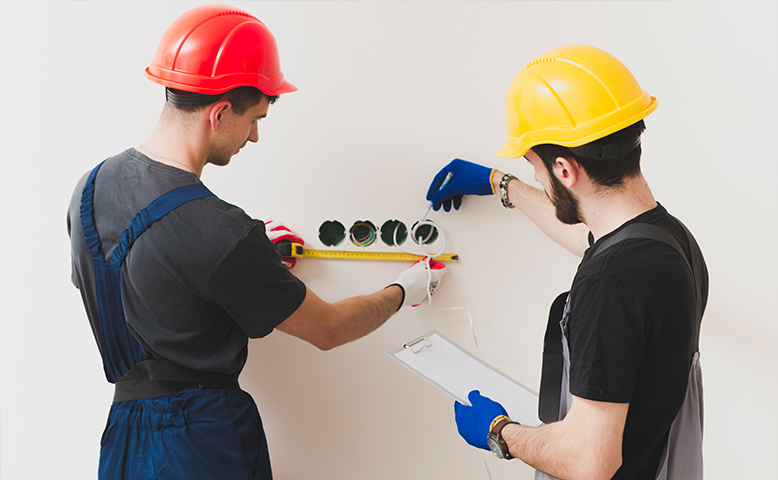
A real maintenance visit is more than a quick glance. It should follow a steady routine that looks for wear, heat signs, and load issues. The electrician typically starts at the panel, since it’s the control center. They inspect for rust, scorching, loose wires, and breakers that don’t fit right. They may check wire sizes against breaker sizes and look for signs of past overheating. In many cases, they will also test outlets, especially in kitchens, bathrooms, garages, and outdoor areas—because those get the most use and see more moisture.
They may use safe testing tools to spot voltage drops or hot spots without tearing up walls. They’ll also ask what has changed: new appliances, a remodeled room, a growing home office, or a new piece of equipment in a shop. That context helps them suggest practical fixes. KA Talarico Electric LLC offers electric services for routine maintenance, repairs, and safety checks, so issues can be found early instead of during an emergency call.
Simple Habits That Cut Risk Between Visits At Home
Between professional checkups, your daily habits can make a real difference. The goal is simple: avoid strain, avoid heat, and don’t ignore warning signs. If something smells burnt, feels hot, or keeps tripping, treat it like a “stop and check” moment, not a minor annoyance. Keep cords in good condition and replace damaged ones instead of taping them up. Don’t run cords under rugs, where heat can build without you noticing. Avoid stacking power strips, since that often hides overload problems instead of fixing them.
You can also do safe, quick checks around the house without opening anything. Feel for warm switches, watch for flicker patterns, and pay attention to outlets that no longer grip plugs.
Call a electrician if you notice:
- Burning smell, even if it fades
- Buzzing, crackling, or sparking sounds
- Repeated breaker trips on the same circuit
- Tingling when touching a device or a metal plate
Conclusion
Regular electrical maintenance is like changing the oil in a car: it’s not exciting, but it helps you avoid a stressful breakdown. A planned check can catch loose connections, overload risks, worn outlets, and protection devices that aren’t doing their job. That means fewer surprise outages, fewer rushed repairs, and less chance of damage to wiring or electronics. If your home has older wiring, your power use has grown, or you’ve noticed flickers or trips, don’t wait for a forced shutdown. Call KA Talarico Electric LLC and set up a maintenance visit so the system stays steady and safe.